The top places to visit in Guatemala are Antigua Guatemala, Tikal, Lake Atitlán, Chichicastenango, Flores, Yaxhá, Semuc Champey, the Pacaya volcano, Quiriguá, and Livingston. Guatemala received 3,361,843 visitors in 2025, a 10.6% rise on 2024, according to official INGUAT (Guatemalan Tourism Institute) data reported by Prensa Libre.
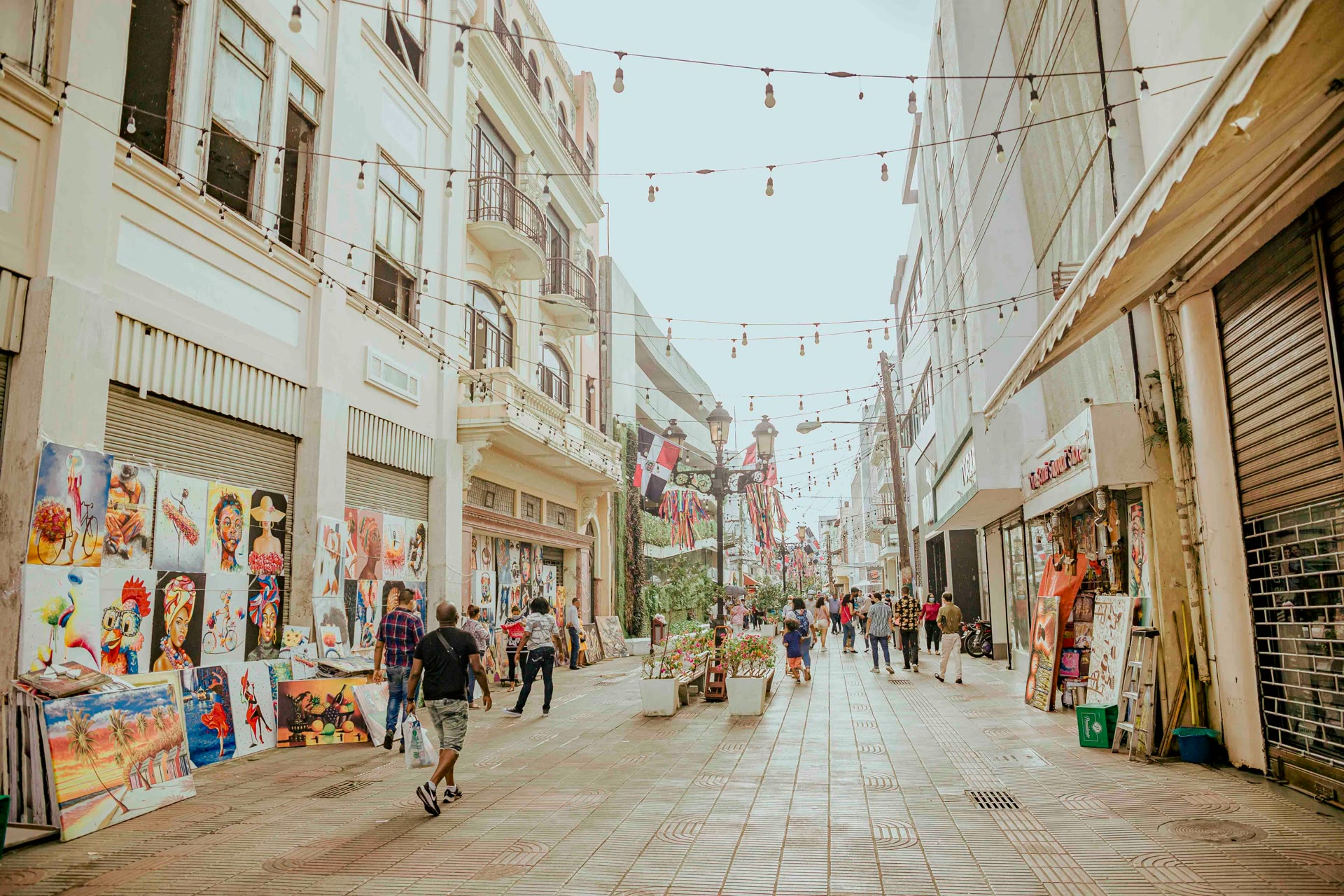
- Antigua Guatemala — Walk the town’s street grid, which dates from 1543 and is still intact, and you are in the city that served as the region’s capital for 230 years. Much of it was wrecked by the Santa Marta earthquakes of 1773, after which the seat of government moved to the site of today’s Guatemala City. Look up at the churches: their squat bell towers are a hallmark of Barroco antigueño, a regional baroque that UNESCO says was “designed to withstand the earthquakes”. The town, at about 1,530 metres, was inscribed on the World Heritage List in 1979.
- Tikal — A UNESCO site since 1979 and one of the few on the list for both its ruins and its wildlife. The national park covers 57,600 hectares of forest, wetland and savannah in Petén, and the story it preserves runs from about 800 BC, when the first settlers arrived, to around AD 900. Plan time for the Great Plaza and the Lost World Complex, and keep your binoculars out: UNESCO counts more than 330 recorded bird species, along with jaguar and puma.
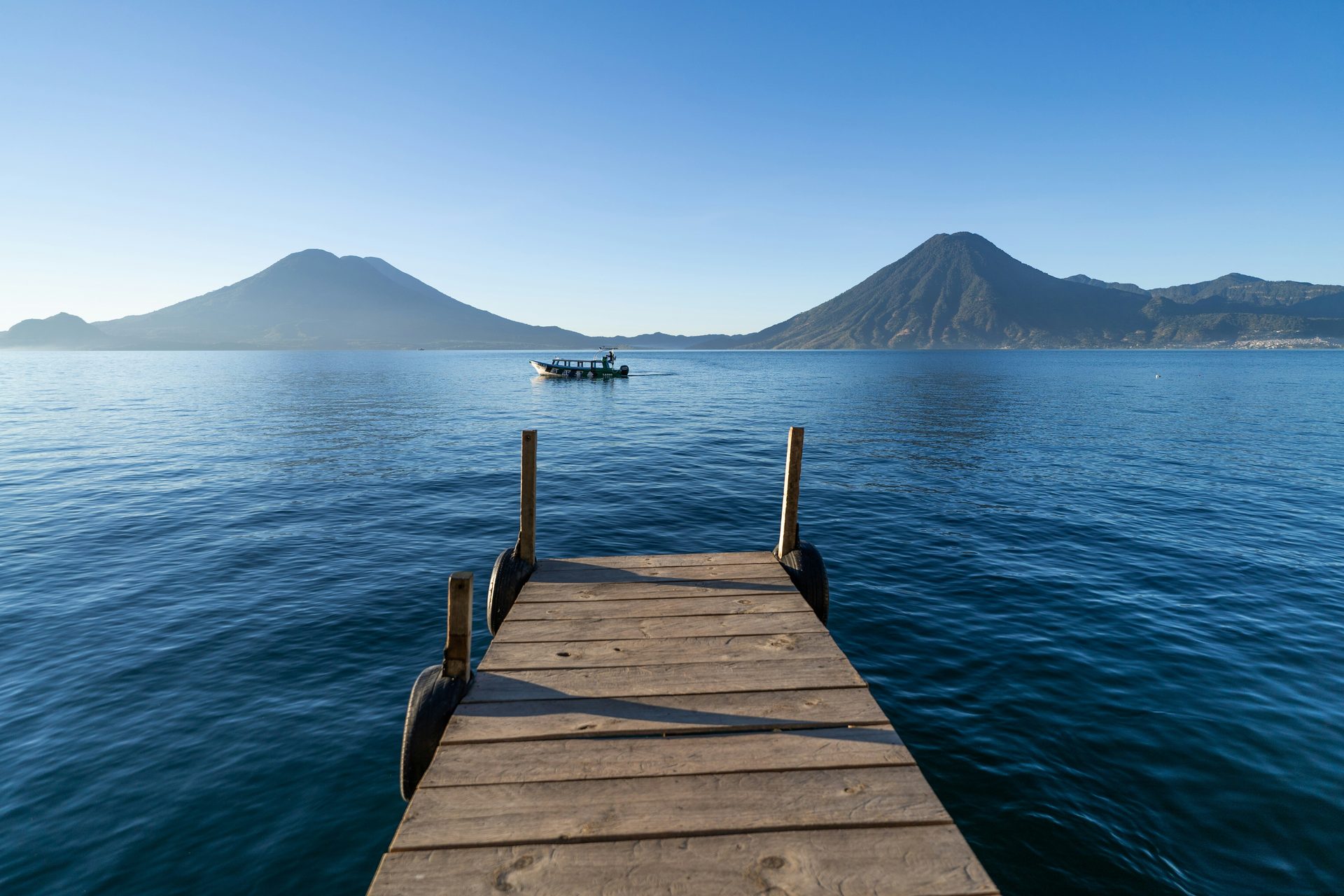
- Lake Atitlán — Three volcanoes line the southern shore of this lake in Sololá, which fills a caldera left by an eruption roughly 79,500 years ago. At up to 340 metres deep, it is the deepest lake in Central America. The towns around the water are home to Tz’utujil and Kaqchikel Maya communities, and the lake lies about 50 km west-northwest of Antigua.
- Chichicastenango — This K’iche’ Maya town stands at 1,965 metres in El Quiché, and it is where the original manuscript of the Popol Vuh, the K’iche’ sacred narrative, was held and copied out in the early 1700s. Time your visit for a Thursday or Sunday, the two market days, when everything from incense to live chickens changes hands. The flight of 20 steps outside the church of Santo Tomás carries its own meaning: one step for each month of the Maya calendar year.
- Flores — Spanish forces did not take this island until 1697. Before then it was Nojpetén, whose Itza name means “Great Island”. A causeway now ties the old town on Lake Petén Itzá to the mainland, and the city, capital of Petén department, is where travellers typically set out for Tikal and other ruins nearby.
- Yaxhá — The name, from the Maya for “blue-green water”, suits a city set on a ridge with a lake on either side, Yaxha and Sacnab. It was at its strongest in the Early Classic period (roughly AD 250–600). Causeways link its groups of ruins, which number more than 500 structures, and about 40 stelae have turned up at the site.
- Semuc Champey — Near Lanquín in Alta Verapaz, the Cahabón River vanishes into a sinkhole and runs underground beneath a 300-metre limestone bridge, which explains the Q’eqchi’ name: “where the river hides under the earth”. On top of the bridge lies a staircase of turquoise pools filled by spring water from the hills. For the view down over it all, climb to El Mirador; allow around 45 minutes on foot from where you park.
- Pacaya — Rising to 2,552 metres in Escuintla department, Pacaya is within reach of both Antigua and the capital, which lies 30 km away. It came back to life in 1961 after a quiet spell of more than 70 years and has been erupting on and off ever since, mostly in Strombolian bursts. It is still restless: in March 2021 villagers nearby were asked to evacuate as it threw out ash, so check activity reports before you book a hike.
- Quiriguá — Come to this Izabal site for its stone monuments. Maya sculptors here had no metal tools, yet they produced sandstone stelae whose dated texts run from AD 426 to 810 and touch on astronomy, myth and royal politics. UNESCO, which inscribed Quiriguá in 1981, rates the Great Plaza as the biggest public square yet found at any Maya site.
- Livingston — Where the Río Dulce empties into the Gulf of Honduras, this Izabal town was once the country’s principal Caribbean port, a role that passed to Puerto Barrios once that port was built nearby. The reason to come now is cultural: Garífuna communities live here alongside Maya and Ladino neighbours.
Planning note
The list splits into four legs. Antigua is the base for the highlands: Pacaya is close by, Lake Atitlán is about 50 km to the west-northwest, and Chichicastenango sits in El Quiché. Flores is the base for Tikal and Yaxhá, which are both in Petén. Semuc Champey is in Alta Verapaz and works as its own leg. Quiriguá and Livingston are both in Izabal in the east, so pair them.
Sources
- Prensa Libre — El turismo en Guatemala crece 10.6% en el 2025 y marca nuevo récord
- UNESCO World Heritage Centre — Antigua Guatemala
- UNESCO World Heritage Centre — Tikal National Park
- UNESCO World Heritage Centre — Archaeological Park and Ruins of Quirigua
- Wikipedia — Lake Atitlán
- Wikipedia — Chichicastenango
- Wikipedia — Flores, Petén
- Wikipedia — Yaxha
- Wikipedia — Semuc Champey
- Wikipedia — Pacaya
- Wikipedia — Livingston, Guatemala
Explore more of FarSerene’s destination guides, including the Top 10 Countries to Visit in 2026 roundup, for more 2026 trip inspiration.