A good multi-city Europe itinerary is a line, loop, or compact cluster—not a collection of cheap flights. Geography gives the trip its first draft; pace decides whether that draft is worth taking.
Start with one anchor
Choose the experience that would justify the trip by itself: a particular city, landscape, event, or visit. Add the next stop only when it offers a meaningful contrast and a sensible connection. This prevents the route from becoming a ranking of famous places.
Use bases, not check-ins
For two weeks, three or four overnight bases suit most travelers. Each base can support day trips without another packing cycle. Three nights is often the practical minimum for a major city because arrival and departure days are partial.
Five bases can work when connections are short and the travelers deliberately prefer speed. Seven bases usually means that disruption, laundry, and ordinary fatigue have nowhere to go.
Compare door-to-door movement
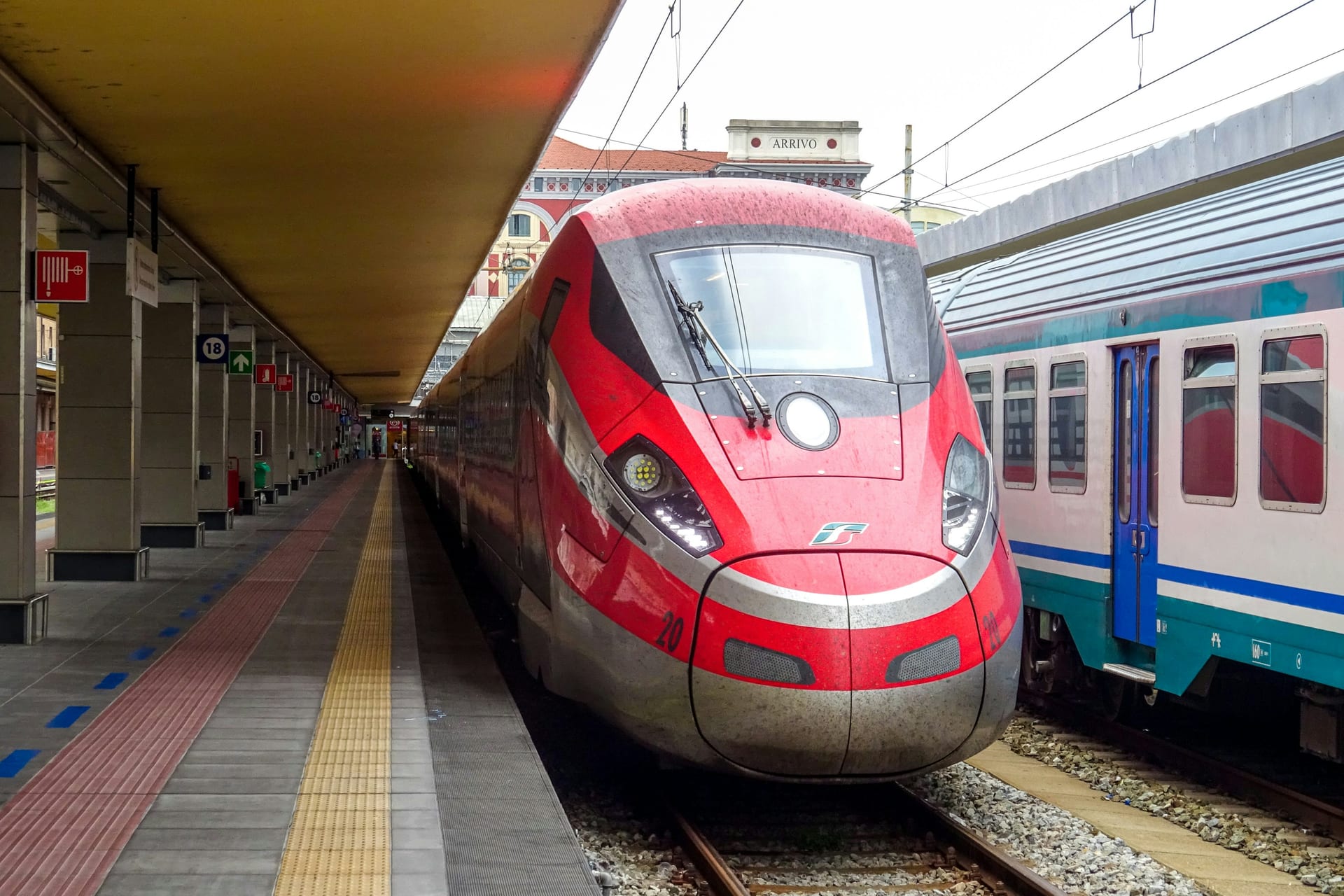
Record the time from one accommodation to the next. Flights add airport travel, security, boarding, baggage, and disruption exposure. Trains often begin and end closer to the places you want to be, but reservations and station transfers still matter.
Do not cross a border merely because the countries are adjacent. Paris and Barcelona connect differently from Vienna and Bratislava. Transport networks matter more than map distance.
Avoid unnecessary returns
Open-jaw flights can let you arrive in the first city and depart from the last. Compare the higher airfare, if any, against the train or flight back, the lost day, and the extra hotel positioning. Keep a buffer before the long-haul departure when the final connection is separate.
Test the route before booking
Build a second version with one stop removed. If the shorter version protects the most important experiences and produces calmer travel days, it is usually stronger. Price both versions as complete trips.
Read How do I plan a multi-city Europe itinerary?, How many cities should I visit in two weeks in Europe?, and route-specific answers on Frankfurt, Paris and the rest of France, and road trip routes. For how to format the result, see European Travel Itinerary, then compare against the curated sample routes.