Austria drew 32.2 million international arrivals in 2024 — the world’s 13th most-visited country that year, up 4.2% on 2023, per UN Tourism data reported by Austrian outlet The International. Most itineraries start and end in Vienna; here’s the rest of the country worth building around it.
- Vienna — Schönbrunn Palace, the Habsburgs’ 1,441-room summer residence remodeled into its current Rococo form under Empress Maria Theresa from 1740 to 1780, has been UNESCO-listed since 1996 and remains the capital’s signature sight alongside its opera houses and coffee-house culture.
- Salzburg — Hohensalzburg Fortress, built starting in 1077 and largely expanded under Prince-Archbishop Leonhard von Keutschach between 1495 and 1519, is one of the largest and best-preserved medieval castles in Europe and was never taken by force, surviving a siege during the 1525 Peasants’ War before later surrendering without a fight to French troops in 1800; Mozart’s birthplace sits in the old town below.
- Innsbruck — The Tyrolean capital’s Golden Roof marks its medieval center, with cable cars reaching Alpine peaks within minutes of downtown.
- Hallstatt & the Salzkammergut — A lakeside village built on one of the world’s oldest salt mines, worked since the 2nd millennium BCE; the wider Hallstatt-Dachstein Salzkammergut cultural landscape has been UNESCO-listed since 1997.
- Graz — Austria’s second city pairs a historic center anchored by the Schlossberg fortress hill with Schloss Eggenberg; the historic centre has been UNESCO-listed since 1999, with the palace added to the same inscription in 2010.
- The Wachau Valley — A Danube wine region between Melk and Krems producing Riesling and Grüner Veltliner across roughly 1,400 hectares of vineyard, UNESCO-listed as a cultural landscape since 2000.
- Grossglockner High Alpine Road — A 48-kilometer, 36-hairpin route to the base of the Grossglockner (3,798m), Austria’s highest peak; construction began with the first blast on August 30, 1930, and the road opened August 3, 1935, as a Depression-era public works project, and it now draws around 900,000 visitors a year.
- Kitzbühel — Home to the Hahnenkamm Race’s Streif course, alpine skiing’s most demanding World Cup downhill, run annually since the 1930s and still drawing more than 50,000 ski fans to town on race weekend.
- Bregenz & Lake Constance — The Bregenz Festival’s floating stage has staged opera productions on the lake since 1946, when the first performance ran off two moored barges; a typical summer season now draws close to 200,000 visitors, with a 2018 season setting a record of 270,000 in five weeks.
- Zell am See-Kaprun — A base for year-round glacier skiing on the Kitzsteinhorn, plus access to the Hohe Tauern National Park that the Grossglockner road runs through.
Planning note
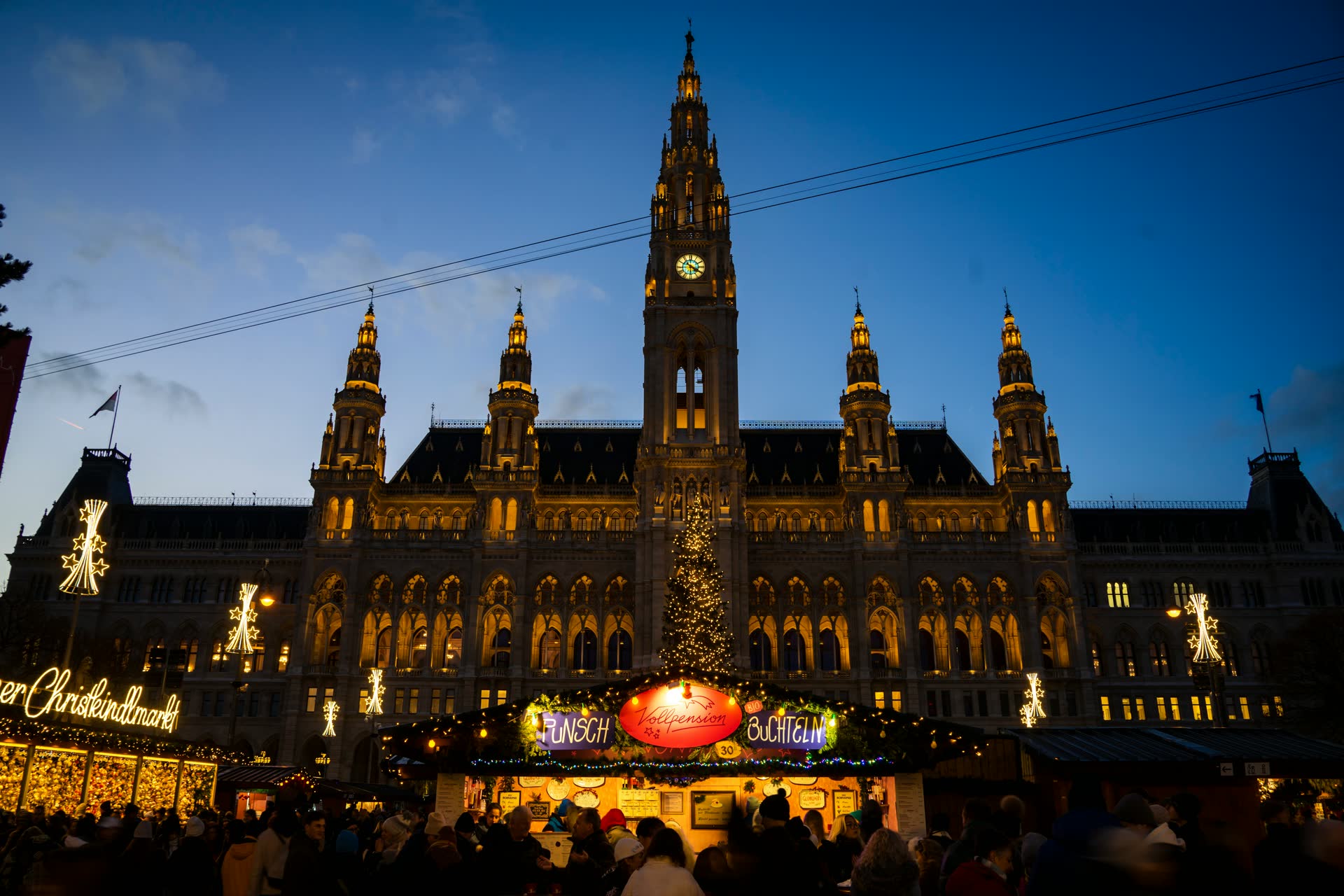
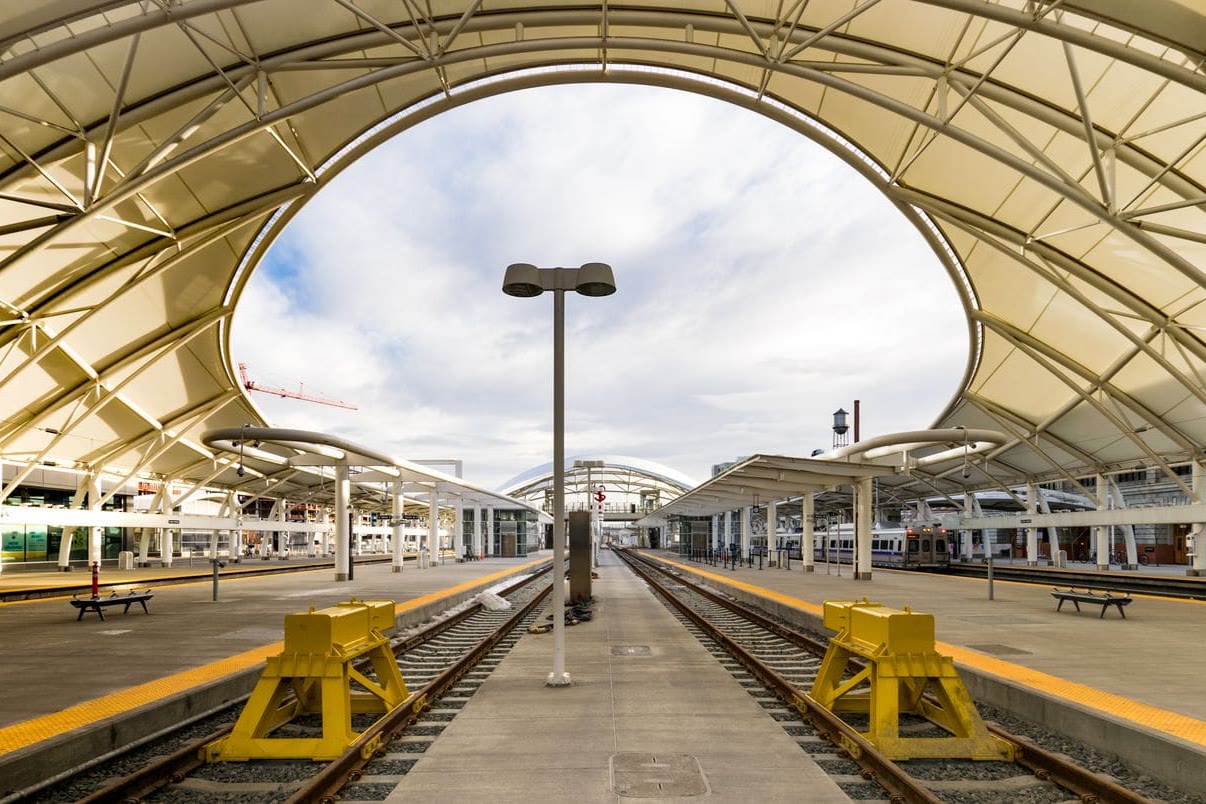
Austria’s rail network (ÖBB) connects Vienna, Salzburg, Innsbruck, and Graz directly, but the Alpine sights — Hallstatt, the Grossglockner road, Kitzbühel — sit off the main line and are easier by car or a regional bus connection. Build in a rental car leg for the Salzkammergut and Alpine routes rather than assuming train coverage matches the cities. For a winter trip, Vienna’s Rathausplatz Christmas market opens on 13 November 2026, the first of the six markets in our dates guide to open; see which European Christmas markets are open on your dates before fixing a city order.
Sources
- The International — Austria Is the World’s 13th Most Visited Country in 2024
- UNESCO World Heritage Centre — Palace and Gardens of Schönbrunn
- UNESCO World Heritage Centre — Hallstatt-Dachstein / Salzkammergut Cultural Landscape
- UNESCO World Heritage Centre — City of Graz, Historic Centre and Schloss Eggenberg
- UNESCO World Heritage Centre — Wachau Cultural Landscape
- Hohensalzburg Fortress — Wikipedia
- Grossglockner High Alpine Road — Wikipedia
- National Park Hohe Tauern — Grossglockner High Alpine Road visitor numbers
- FIS Alpine Skiing — Kitzbühel’s Hahnenkamm races history
- Bregenzer Festspiele — Wikipedia
Read the Top 10 Countries to Visit in 2026 roundup for how Austria compares globally.