India recorded 20.6 million international tourist arrivals in 2024, up from 13.1 million a decade earlier, lifting its global rank to 20th and its share of worldwide arrivals to 1.41%, according to the Ministry of Tourism’s India Tourism Data Compendium, which cites UN Tourism’s World Tourism Barometer.
- Agra — The Taj Mahal, the mausoleum Mughal emperor Shah Jahan built for his wife Mumtaz Mahal, was among India’s first UNESCO World Heritage Sites, inscribed in 1983 alongside Agra Fort and the Ajanta and Ellora Caves.
- Delhi — The Qutub Minar, a 72.5-meter red sandstone tower begun in 1199, and the Red Fort, built by Shah Jahan between 1638 and 1648, were UNESCO-listed in 1993 and 2007 respectively.
- Jaipur — Rajasthan’s walled “Pink City,” founded in 1727 by Sawai Jai Singh II, became India’s second city (after Ahmedabad) to earn UNESCO World Heritage status, inscribed on July 6, 2019.
- Kerala — The state’s backwaters, a network of lagoons and canals along the Arabian Sea coast, are traditionally toured by converted rice-barge houseboats known as kettuvallams.
- Varanasi — One of the world’s oldest continuously inhabited cities, Varanasi’s ghats along the Ganges draw pilgrims to daily Ganga aarti ceremonies at dusk.
Planning note
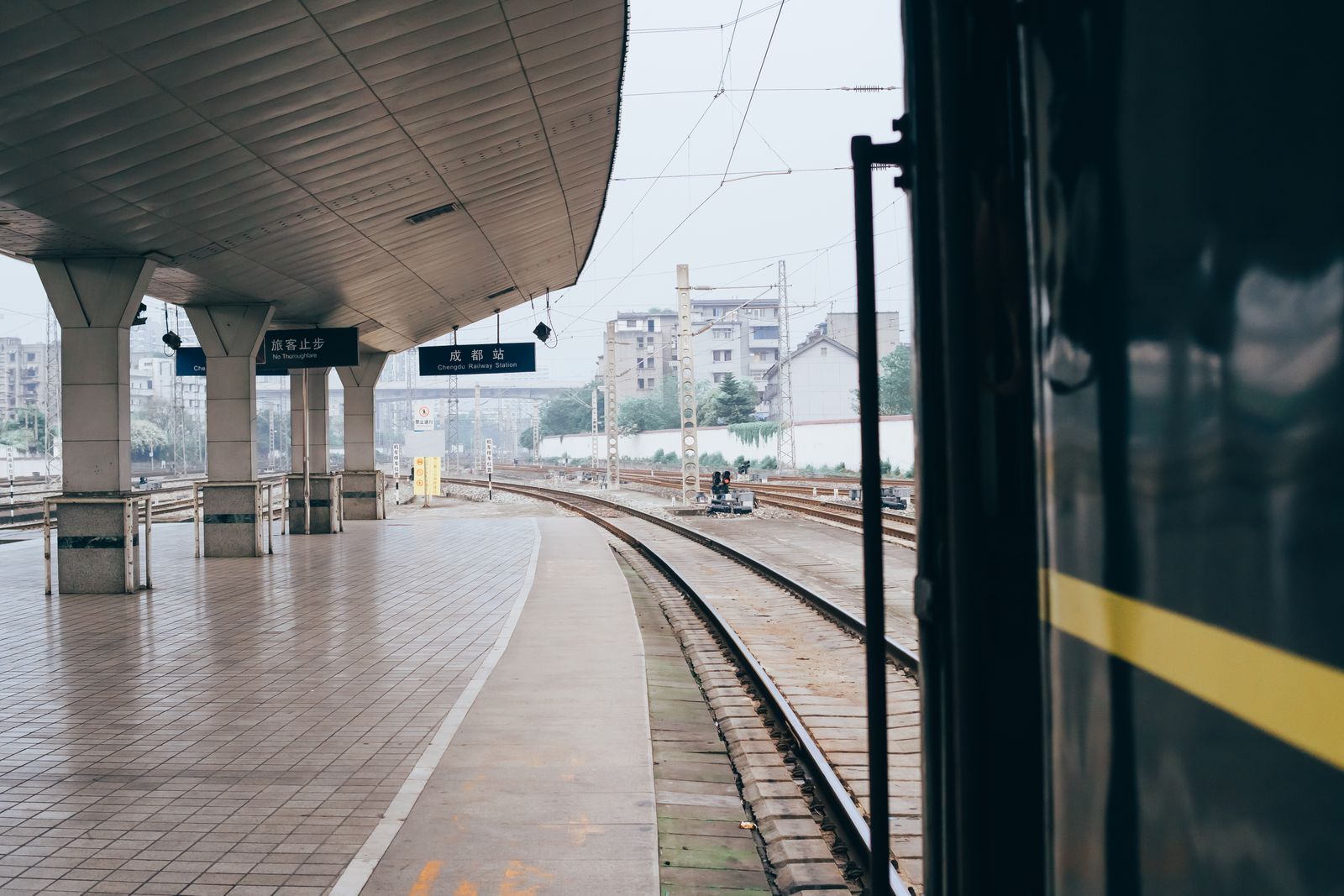
India’s rail network connects Delhi, Agra, and Jaipur closely enough to form the classic “Golden Triangle” by train in under a week; Kerala and Varanasi sit far enough afield that most itineraries treat them as separate flight-connected legs rather than rail add-ons.
Sources
- India Ministry of Tourism — India Tourism Data Compendium 2025
- UNESCO World Heritage Centre — Taj Mahal
- UNESCO World Heritage Centre — Qutb Minar and its Monuments, Delhi
- Business Standard — Walled City of Jaipur makes it to the UNESCO World Heritage list
- Wikipedia — Qutb Minar (Red Fort Complex inscription year cross-reference)
Read the Top 10 Countries to Visit in 2026 roundup for how India compares globally.