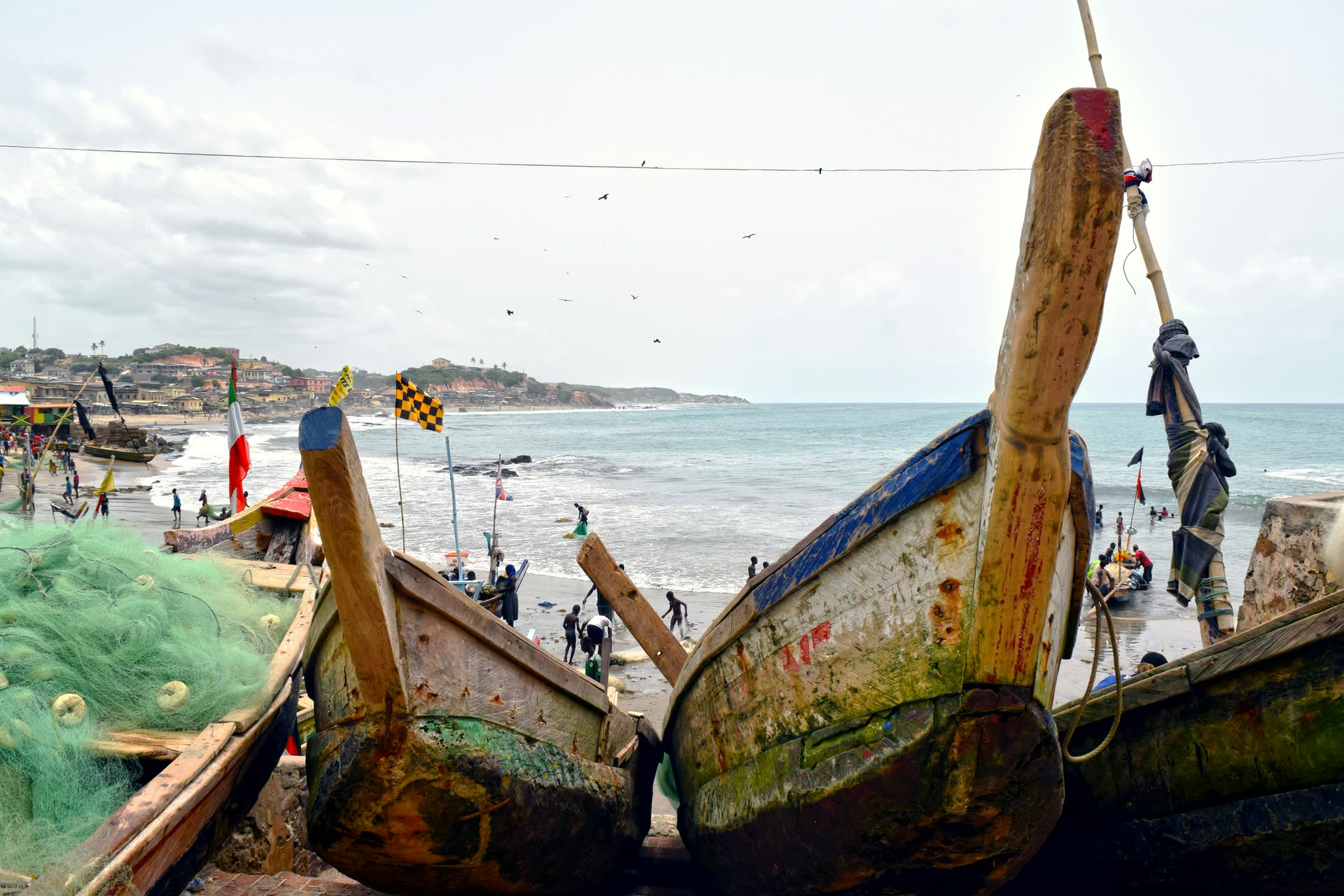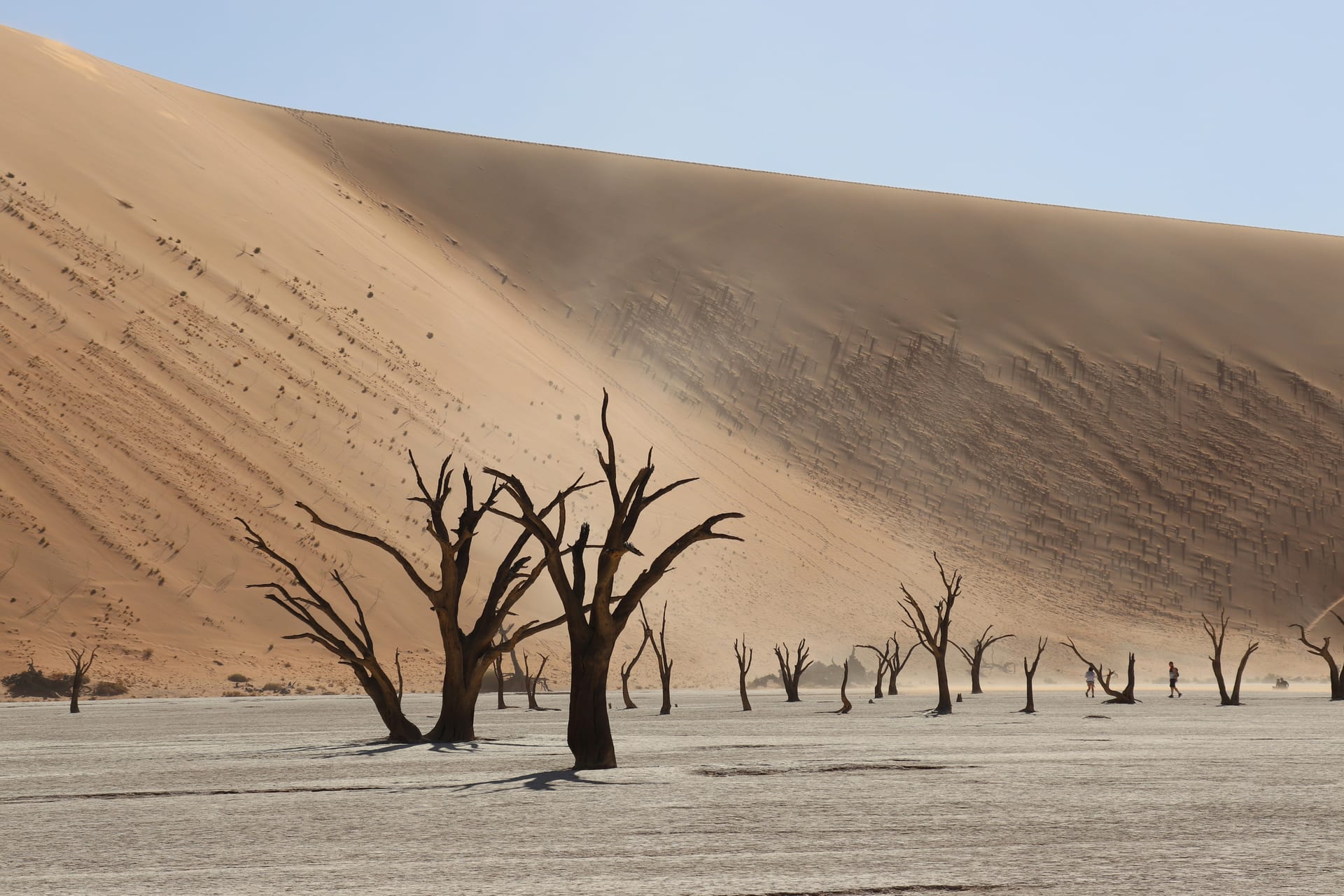
Africa is a continent of separate travel systems, not one network. North, East, West and Southern Africa each have their own flight hubs, seasons, entry rules and overland realities, and connecting between two of them usually means routing back through a hub rather than crossing directly.
Treat every country on the route as its own planning problem. Entry requirements, vaccination certificate rules and overland border conditions vary by nationality and by the exact sequence of countries you pass through — confirm each one with the relevant official source before booking anything.
Pick one region, then build around its hub
Start with a single region and let its main hub set the route shape. A North Africa trip through Morocco or Egypt is a short-haul trip from Europe with dense city stops; an East Africa trip through Kenya or Tanzania is built around parks and internal flights; a Southern Africa trip through South Africa or Namibia is usually a self-drive route with long days between bases.
Adding a second region rarely costs one flight. It usually costs a hub connection, a visa, and two travel days you had allocated to something else.
Let the dry season decide the order
Across much of the continent the useful seasonal split is dry and wet rather than summer and winter, and it runs on a different calendar in each region. Wildlife viewing, road conditions on unsealed routes and coastal humidity all move with it, so the same itinerary can be a good trip in one month and a difficult one two months later. Fix the month before you fix the order of stops.
City-led trips are less season-bound: Cairo and Marrakesh are more sensitive to peak summer heat and to religious and national holidays than to rainfall.
Work through the spending side with our trip cost breakdown and the hidden costs of travel, then plan the itinerary against the nights you actually have.