A $3,000 Europe trip is possible, but the number is meaningless until you define the traveler count, trip length, departure city, and whether international flights are inside the cap. A useful plan states those assumptions at the top.
Three route shapes that control cost
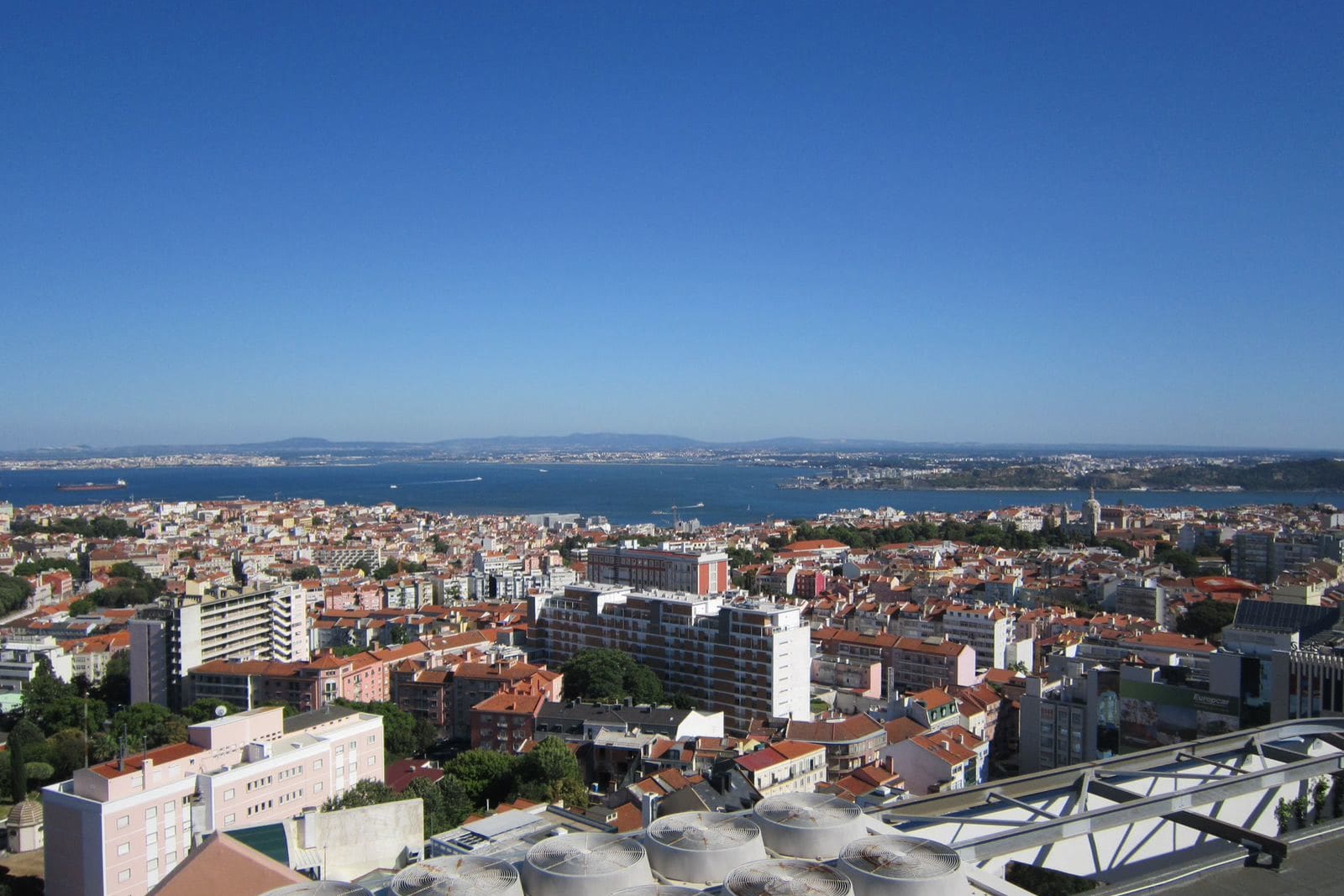
Portugal by rail: Porto, Coimbra, and Lisbon create a clear north–south line with limited backtracking. Ten nights can work with two longer bases and one shorter stop. Add international airfare separately until the origin is known.
Central European triangle: Prague, Vienna, and Budapest offer direct connections and distinct experiences without a flight between every stop. Vienna often raises the lodging average, so balance it with longer stays elsewhere rather than treating every city identically.
Slovenia with one neighboring city: Ljubljana as a base, day trips to Lake Bled or nearby landscapes, then a direct connection to Zagreb, Trieste, or Venice. This shape limits hotel changes while still feeling varied.
These are planning patterns, not live quotes. Availability, exchange rates, events, and season can change the ranking quickly.
What the transfers actually cost in time
Route shape matters because intercity transfer time eats into the days you’re paying for lodging on both ends. From FarSerene’s own city-to-city travel-time model:
| Leg | Transfer time |
|---|---|
| Lisbon ↔ Porto | ~2h 55m |
| Madrid ↔ Barcelona | ~2h 30m |
| Rome ↔ Florence | ~1h 35m |
A Portugal-by-rail route spends noticeably more of a travel day in transit than a Rome–Florence pairing does — which is why the Portugal shape above uses two longer bases rather than three even stops. Budget the transfer day itself, not just the ticket price, when comparing these shapes against each other.
A defensible allocation
Start with ranges rather than a false-precision total. For a solo land budget, lodging may take 35–45%, food and ordinary local spending 20–25%, intercity and local transport 15–20%, with the remainder for attractions, insurance, connectivity, and contingency. Couples may lower the lodging cost per person by sharing a room, but most other costs still scale.
If international airfare is included, price it first for the real origin and dates. Do not force the land itinerary to absorb an invented average.
What makes the budget hold
Choose two or three bases, travel outside the highest-demand weeks, and compare private rooms with well-reviewed simple hotels rather than assuming one category always wins. Book constrained transport and lodging early enough to preserve choices. Keep 10–15% unassigned so a rate change does not break the trip.
The right question is not whether Europe “costs” $3,000. It is whether a specific route, on specific dates, fits after every material category is visible.
Read Can I take a good Europe trip for under $3,000? and Which European destinations are best for a $3,000 budget?, or compare the assumptions with our sample trips.